Why Washington enquiries look different
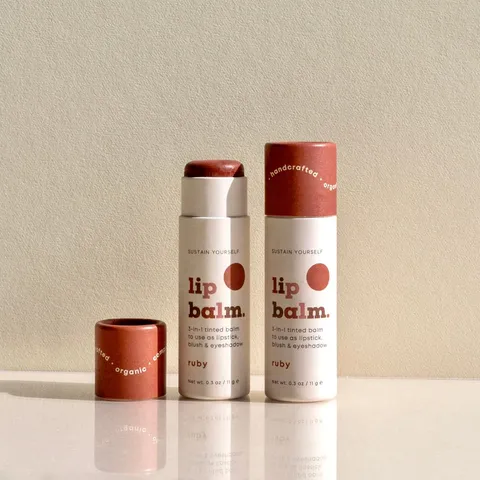
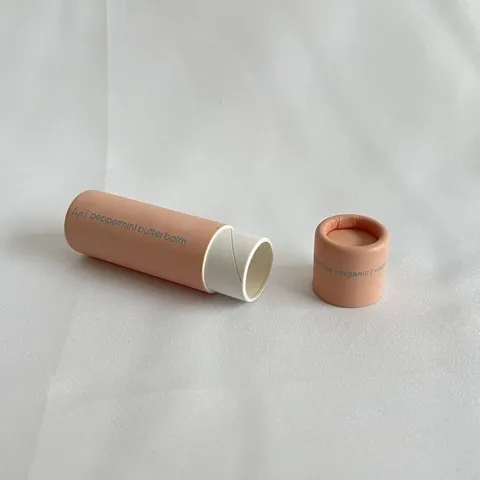
A packaging enquiry from Washington more often opens with a question about material than about price. Buyers here regularly ask what the liner in a paper lip balm tubes is made of, whether a laminate can be recycled, and what a supplier means by compostable.
That is a useful pressure to work under. It rewards suppliers who can answer precisely and exposes ones who cannot, and it pushes specifications toward choices that hold up to inspection rather than choices that sound good on a website.
The practical effect on packaging is a preference for uncoated and varnished stocks over laminates, paperboard containers over plastic, and printed swatches over film windows, all of which keep a pack closer to a single material stream.
What each material choice actually commits you to
The honest version, which is what a Washington buyer usually wants before specifying.
| Choice | What it gives you | What it costs you | How to describe it |
|---|---|---|---|
| Varnish instead of laminate | Carton stays in the paper stream | Less scuff resistance on a handled pack | Paperboard, widely accepted in kerbside paper recycling |
| Printed swatch instead of a window | One material rather than two | The shopper cannot see the actual product | No plastic film component |
| Paperboard tube instead of plastic | No plastic container component | Balm cannot retract; more heat sensitive | Confirm the liner grade before claiming recyclability |
| Paperboard cap | Removes the last plastic part of a tube | Slightly less positive closure than moulded plastic | Genuinely plastic-free, if the liner supports it |
| Uncoated kraft board | No coating, natural surface | Muted colour, no true white without underprint | Unbleached; state recycled content only if evidenced |
| Metallised or holographic board | A striking shelf effect | Not compatible with paper recycling | Say so plainly rather than implying otherwise |
The last row is the one worth being direct about. Metallised board is not recyclable in a paper stream, and describing it otherwise is the kind of claim that gets a brand challenged.
Writing a claim you can defend
We will tell you exactly what a specification contains — which liner grade, which coating, whether the cap is paperboard — so that whatever you print is accurate. What we will not do is supply a general environmental claim for you to apply.
Two distinctions cause most of the trouble. Recycled content and recyclability are separate things, and a board can have one without the other. And compostability depends on the specific coating and the standard being claimed against, not on the material being paper.
If a claim matters to your positioning, decide it before the specification is fixed rather than after. It genuinely constrains the finish, and finding that out at proof stage means starting again.
What Washington brands order
Weighted toward lip care and balm rather than colour cosmetics, which is the reverse of the California pattern.
- Paperboard push-up tubes, both printed and plain kraft for small batches
- Uncoated or varnish-finished cartons rather than laminated ones
- Wrap labels on paper stocks where the product is protected by an outer carton
- Refill-friendly formats for retailers running refill programmes
- Counter display units for independent grocery and apothecary retail
- Simple mailers for direct-to-consumer, printed rather than laminated
Ordering and delivery in Washington
We make to order and ship to Washington addresses as part of a nationwide service. There is no Washington facility, no local stock and no local pickup, and we do not claim a regional presence we do not have.
Freight is quoted per consignment. Paperboard tubes are bulky relative to their weight and are charged on volume, which matters more here than in most markets because tubes make up a larger share of what Washington brands order.
Where a product is going to a small studio or a residential address rather than a commercial dock, say so when requesting a quote. It changes the service level and the cost.
Questions that come up on Washington orders
Are your paperboard tubes recyclable?
The board is paper. The liner is a coating, and whether a specific grade is accepted in kerbside paper recycling varies by material and by municipality. We will tell you which liner is quoted on your job so you can describe it precisely rather than generally.
Can I call a paperboard tube compostable?
Not without evidence for the specific liner grade and the standard you are claiming against. The board being paper is not sufficient. Ask any supplier for the liner specification before printing that word on a pack.
What is the difference between recycled content and recyclable?
Recycled content is what the board is made from; recyclability is what can happen to it afterwards. A board can have high recycled content and still be hard to recycle if it carries a plastic laminate. They are separate claims and need separate evidence.
Is the cap on your paper tubes plastic?
Paperboard as standard, which is what keeps the pack genuinely free of plastic. It is worth asking every supplier this directly, because a paper body with a plastic cap is sometimes still marketed as a plastic-free tube.
What is the lowest-impact carton specification you offer?
Uncoated or kraft board with a varnish rather than a laminate, a printed swatch instead of a film window, and a die-cut card insert rather than foam. That combination keeps the whole carton in one material stream.
Do you offer refill-friendly packaging?
We supply lighter secondary cartons for refill units sold without an outer case, where the pack has to protect but not present. Tell us how the refill programme works and the specification is built around that rather than around a standard retail carton.
Can I come and see samples in Washington?
Not in person. There is no showroom or office in Washington, so samples are posted to you instead, and the sample options are set out on the sample kit page.
Why are paperboard tubes more expensive to ship than cartons?
Because they arrive assembled rather than flat, so they are bulky relative to their weight and freight is charged on volume. Consolidating into fewer, larger consignments makes a material difference to delivered cost on this format.
Lip Boxes has no office, plant, warehouse or held stock in Washington. Packaging is made to order and shipped to Washington addresses through a nationwide carrier service. Delivery cost and lead time are quoted per order.