This page covers one thing: the transition from maker market to wholesale. For the wider view, read lip packaging across Pennsylvania.
What changes when a maker goes wholesale
Philadelphia has an active independent maker scene, and a common trajectory runs from craft markets and a personal website into wholesale with local shops and then wider accounts.
Packaging that worked perfectly at a market stall frequently fails at that step. Hand-applied labels are fine when you are standing next to the product explaining it; they are not fine when a shop needs to scan it. A pack with no barcode cannot be stocked. A case count of one is not a case count.
None of this is difficult, but it arrives all at once and usually at the moment an account has already said yes.
What a wholesale account will ask for
Six things to have ready before the first account asks, rather than after.
- A barcode, registered to you rather than borrowed, printed on a flat panel with clear space
- A full <a href="/resources/cosmetic-packaging-label-requirements/">cosmetic ingredient labelling rules</a> that is actually legible at final size
- A case count a small shop can order without taking months of stock
- Consistent packaging between batches, which hand-cut labels do not deliver
- A wholesale price that survives a retail margin, which constrains packaging cost
- Enough stock to fulfil a reorder, since the second order usually comes faster than expected
The barcode is the one that stops a sale outright. Everything else can be worked around briefly; a product that cannot be scanned cannot be sold.
The cheapest way to make the step
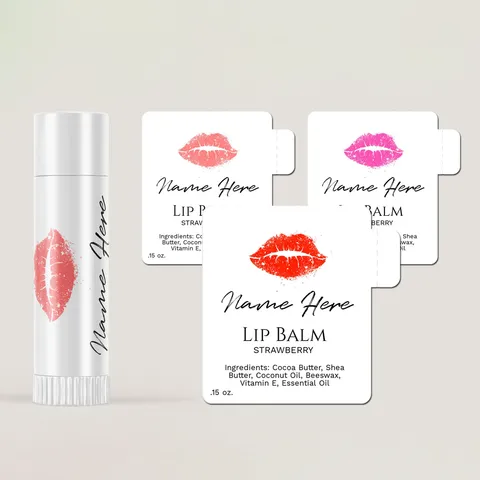
The most economical route from handmade to wholesale-ready is usually a printed wrap label on a plain container, not a printed carton.
A label carries the branding, the declaration and the barcode, costs far less to tool than a carton, and can be reordered quickly against container stock you already hold. Several scents can share one label size and one cutting die, which keeps the whole range on a single setup.
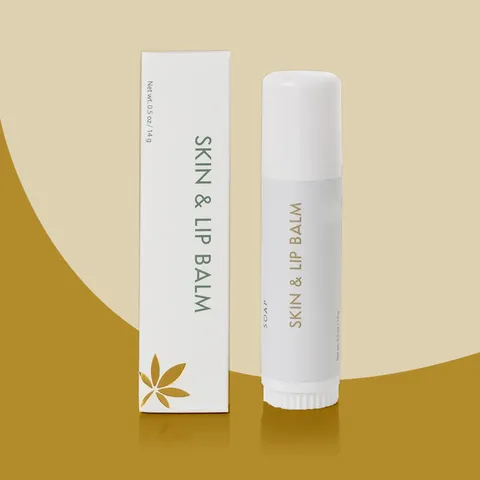
A carton becomes worth adding when the declaration will not fit legibly on the label, when an account wants more shelf presence, or when the product becomes a gift item. Until then it is a cost without a job. The formats available are set out on our label reference page.
Answered before you order for Philadelphia
What is the minimum packaging a wholesale account needs?
A barcode on a flat panel with clear space, a legible ingredient declaration, and consistent packaging between batches. A product that cannot be scanned cannot be stocked, so the barcode is the item that stops a sale outright.
Do I need a carton to sell wholesale?
Not necessarily. A printed wrap label on a plain container carries the branding, the declaration and the barcode for far less tooling cost. A carton becomes worth adding when the copy will not fit legibly or when the product becomes a gift item.
How do I keep several scents affordable?
One container stock, one label size, one cutting die, and a separate printed design per scent. Digital label printing carries no plate charge per design, so six scents at 2,000 each costs close to one design at 12,000.
Why are hand-applied labels a problem for wholesale?
Consistency. A shop stocking your product sees every unit, and hand-cut or hand-placed labels vary enough that a shelf of them looks unfinished. Machine-die-cut labels applied to a template solve it without changing your process much.
What case count should I offer a small shop?
Something a store with limited shelf space can actually order, which is usually far lower than a supplier minimum. Tell us the count and we pack to it, which costs nothing when specified before production.
Can I start small and scale later?
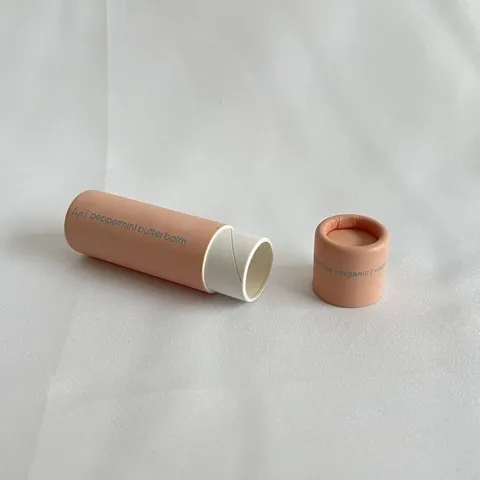
Yes, and plain kraft push-up tubes are the format that scales down furthest, because an unprinted tube carries no plate, artwork or proofing cost. The diameter tooling carries forward to every future order in that size.
How does this differ from your Pennsylvania page?
The Pennsylvania page covers private label economics and the pharmacy channel, where unit cost governs at volume. This page is about the specific transition a small maker faces when moving from markets into wholesale accounts.
Can I come and see samples in Philadelphia?
Not in person. There is no showroom or office in Philadelphia, so samples are posted to you instead, and the sample options are set out on the sample kit page.
Lip Boxes has no address, warehouse, collection point or staff in Philadelphia. Packaging is manufactured to order and shipped to Philadelphia addresses through a nationwide carrier service, with delivery cost and lead time confirmed in writing on each quote.